Contributed post
In recent years, there has been a growing recognition of the importance of mental and emotional well-being in our daily lives. While traditional wellness practices such as meditation, therapy, and physical exercise are commonly associated with mental health, there is another, often overlooked avenue that plays a significant role in enhancing well-being: cosmetics and the beauty industry. In fact, the connection between looking good and feeling good is well documented, as self-care routines related to appearance can have a profound impact on self-esteem, confidence, and emotional resilience.
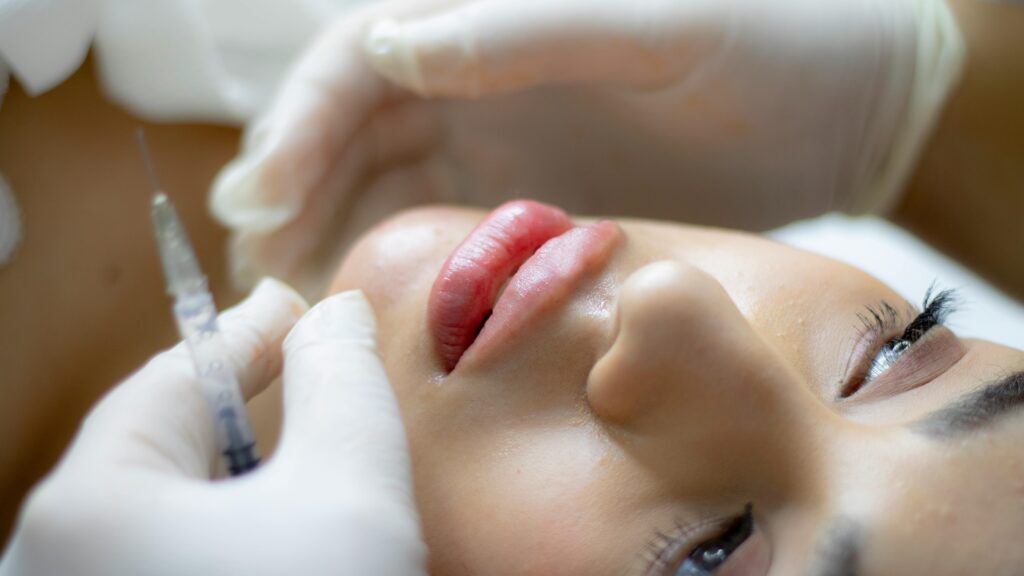
This article will explore how cosmetics contribute to mental and emotional wellness, with a special focus on the increasing demand for professional cosmetic services. As more individuals seek to enhance their appearance through treatments, the need for trained professionals in this field is growing, creating opportunities for those interested in pursuing a cosmetic injector course. But first, let’s delve into the ways in which cosmetics can support mental and emotional health.
The Psychology Behind Beauty
Cosmetics and beauty treatments are often viewed as superficial or purely aesthetic pursuits. However, research shows that these practices can have significant psychological benefits. The way we perceive our appearance directly affects our self-esteem and confidence, both of which are essential components of emotional well-being. When we feel good about how we look, we are more likely to have positive social interactions, perform better in our daily tasks, and approach life with a sense of optimism.
For many, the act of applying makeup, skincare products, or undergoing cosmetic treatments is more than just about improving outward appearance. It’s about taking control of one’s image and boosting inner confidence. This sense of control can be particularly empowering, especially in a world where societal pressures on appearance are prevalent.
Cosmetics can serve as tools for self-expression, allowing individuals to present themselves in ways that reflect their personality or mood. Whether it’s wearing a bold lipstick for a confidence boost or maintaining a skincare routine for a sense of self-care, the ritual of using beauty products can be deeply therapeutic.
Beauty and Self-Care: A Path to Mental Well-Being
The concept of self-care has gained tremendous popularity in recent years, and beauty and skincare routines are a significant part of this movement. Taking the time to pamper oneself, even in small ways, can be a form of stress relief. A simple skincare routine at the end of a long day can serve as a mindful practice, encouraging relaxation and helping to reduce anxiety.
For many people, engaging in a beauty regimen provides an opportunity to focus on the present moment, a key principle of mindfulness. The tactile nature of applying creams, serums, or makeup can offer sensory stimulation that calms the mind and helps individuals to disconnect from the stress of daily life. This daily ritual not only offers a sense of comfort but also helps create a moment of peace and tranquillity in a busy day.
Furthermore, the beauty industry has seen a surge in products that cater to the needs of those with mental health in mind. For instance, there is an increasing emphasis on “clean” and natural beauty products that focus on well-being, reducing stress caused by harmful chemicals or the overwhelming pressure to conform to unrealistic beauty standards. Products that promote skin health, such as calming face masks or aromatherapy-infused creams, provide both physical and emotional benefits, reinforcing the notion that beauty is about feeling good as much as looking good.
Cosmetic Treatments and Emotional Well-Being
Beyond daily beauty routines, the growing demand for cosmetic treatments such as injectables, fillers, and non-surgical facelifts also highlights the role of professional services in enhancing well-being. These treatments are often pursued by individuals looking to enhance or restore their natural appearance, which can significantly impact self-confidence.
For some, cosmetic procedures may help address insecurities that have been affecting their mental health for years. A treatment that smooths wrinkles, plumps lips, or enhances facial contours can be transformative, not only in appearance but in how individuals feel about themselves. When people feel more confident in their looks, it can lead to improved social interactions, stronger professional performance, and a greater sense of happiness.
This demand for cosmetic treatments has also led to a rise in the need for skilled professionals who can perform these procedures safely and effectively. Pursuing a cosmetic injector course is an excellent opportunity for individuals interested in the beauty and healthcare industries to develop their expertise. A cosmetic injector course provides comprehensive training on administering injectables such as Botox and dermal fillers, equipping professionals with the knowledge to perform these treatments responsibly and ethically. In turn, they can play a crucial role in helping clients achieve their aesthetic goals, ultimately boosting their mental and emotional well-being.
Social Media, Beauty Standards, and the Emotional Toll
In the age of social media, the beauty industry has been both a source of inspiration and a cause for concern. On the one hand, platforms like Instagram and TikTok have made beauty more accessible, with influencers sharing makeup tutorials, skincare tips, and the latest beauty trends. This has empowered individuals to experiment with their appearance and explore new ways of expressing themselves.
On the other hand, social media can also amplify unrealistic beauty standards, leading to feelings of inadequacy and low self-esteem. The pressure to look flawless can take a toll on mental health, particularly for young people who are constantly exposed to edited and filtered images. The beauty industry must take responsibility for promoting more inclusive and diverse standards of beauty, encouraging individuals to embrace their unique features rather than striving for an unattainable ideal.
Fortunately, the conversation around beauty is shifting. More brands are promoting diversity in their campaigns, featuring models of different ages, skin tones, and body types. This shift is helping to challenge the traditional notion that beauty is one-size-fits-all, allowing individuals to feel more accepted and confident in their appearance.
The Future of Beauty and Well-Being
As the beauty industry continues to evolve, there is an increasing recognition of its potential to positively impact mental and emotional well-being. The integration of self-care and wellness into beauty routines is likely to continue, with more emphasis on products and treatments that nurture both the body and mind.
Moreover, the growing demand for cosmetic procedures has opened up new career paths for individuals interested in aesthetics and healthcare. For those looking to enter the industry, pursuing a cosmetic injector course can be a rewarding way to contribute to the well-being of others. By providing treatments that enhance appearance and boost self-confidence, professionals trained in cosmetic injectables can help their clients feel better about themselves, ultimately supporting their mental and emotional health.
In conclusion, while cosmetics and beauty treatments may seem superficial to some, their impact on mental and emotional wellness is undeniable. From the psychological benefits of looking and feeling good to the therapeutic nature of beauty routines, the role of cosmetics in supporting well-being is profound. As the beauty industry continues to evolve, it will remain an important part of the broader conversation about self-care, confidence, and mental health.


Leave a Reply