According to the latest statistics published by the Gas Safe Register, one in five homes in the UK contains an unsafe gas appliance. If these faulty or damaged gas appliances are left unchecked, they can lead to potentially hazardous results. Occasionally, carbon monoxide poisoning, which is lethal for humans, is also reported.
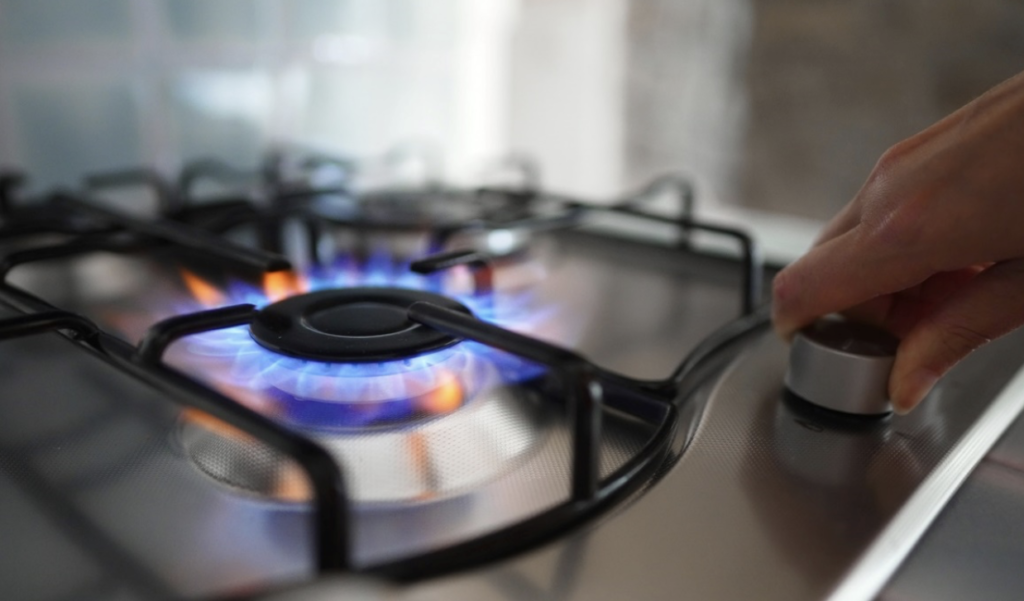
While your landlord may conduct gas safety inspections of their property annually, you, as a homeowner, must also know about these gas safety tips. These steps include ensuring all home residents know these tips and learn how to act in emergencies. Let us discuss a few gas safety tips you need to know as new homeowners.
1. Get your Annual Gas Safety Certificates
Gas safety certificates or CP 12 certificate is provided to a homeowner after they successfully pass a safety inspection by a gas-safe registered engineer. This inspection involves checking all the gas appliances on the property, such as flues, vents, and boilers. In case, there are no defects observed, the gas-safe engineer provides a certificate to the homeowner that their home is safe to live in.
In case of non-compliance with any of the rules and laws, the homeowner does not get the safety certificate. Moreover, you can be imposed with heavy fines and penalties if you do not conduct these inspections annually.
2. The Smell of Rotten Eggs Equals Danger
The most common gas safety tip that any homeowner needs to know is that the smell of rotten eggs is a sign of danger. You may notice the smell of rotten eggs whenever there is a gas leakage in your home. Natural gas is odourless, and the smell of rotten eggs is added to natural gas as a safety measure. Additional signs of gas leaks include hissing or whistling sounds near the gas pipes. You may even notice dead plants around the leaked gas pipes. There may even be unusually high gas bills.
If you or any of your family members notice these signs in your home, leave the home immediately. The next step is to contact the local gas company and inform them about the situation. Gas-safe engineers will then come and inspect the house for any potential leakages. You may notice them doing the soapy water test to check for any damage to the gas pipes.
3. Installing Carbon Monoxide Detectors
Carbon monoxide is a colourless and odourless gas produced by defective gas appliances. It is hazardous and lethal if released in excessive quantities. Installing a carbon monoxide detector allows you to detect this gas’s leakage in the early stages.
A small investment in this gas safety equipment can save lives in the long run. It is advisable to store these detectors near gas appliances, especially furnaces, water heaters, or gas fireplaces. These detectors will also require regular maintenance to ensure they work correctly. It is also important to note that these carbon monoxide detectors do not detect gas leakages.
4. Learn How to Turn off the Natural Gas Valve
One of the first steps in case of a gas leak is to turn off the main gas valve. Therefore, it is important that everyone residing in the home is aware of the location of the main gas valve and how to turn it off. If you or any of the homeowners need to learn how to perform this step, then you need to contact your local gas company as soon as possible.
If you know the location of the main gas valve, then learning how to switch it off is equally important. If the gas valve is parallel to the gas pipe, it means the valve is on. Alternatively, if the gas valve is perpendicular to the gas pipe, the valve is off. The gas valve is also kept off during any maintenance of gas appliances.
5. Cleaning Your Oven Tops Regularly
A minor yet important step for gas safety is keeping all gas stovetops clean from debris. Cleaning your stovetop regularly helps to increase the efficiency of the appliances and also reduces the chance of potential fires or incidents. Food debris and grease may accumulate on the stovetop, catching fire and leading to potentially dangerous situations.
You must also turn off the stove gas supply before cleaning. Most stovetops have this located behind them. All you need to do is turn it counterclockwise. If you need to learn the steps to switch off your stovetop, you may need professional assistance.
6. Ensure That Your Gas Appliances Have Good Ventilation
You must ensure that all of your gas appliances are situated in a properly ventilated space. It helps to ensure that all dangerous gases, such as carbon monoxide, are expelled outside your home. For this purpose, you need to see no obstructions near your gas appliances. Adequate ventilation can be from any window, vent, or flue. Proper ventilation also ensures that these gases do not accumulate inside the home and reduce indoor air quality. Regular inspection of vents also provides adequate and unobstructed ventilation and ensures all the vents work correctly.
Conclusion
Gas leaks are more common than you think. However, it is crucial to use natural gas safely inside your home. In conclusion, it is essential to reiterate that landowners and tenants know all the gas safety tips that help keep their lives safe. By taking these necessary proactive steps, they can ensure that they live in their homes safely without any fear of gas-related incidents.


Leave a Reply