Contributed post
There are numerous things to consider when you want to design a warm room that sustains you emotionally and physically. Rooms in the home should feel like spaces you want to be in, and there are various factors that affect this, from warming colours to furniture placement.

Carefully Place the Heating
An inviting environment is sensory and emotional, and the key is warmth. Cosy aesthetics are a genuine way to help a room along and to raise the warmth factor. But, of course, a well-chosen heating source makes all the difference. Online stores like Radiator Village offer a wide range of contemporary and traditional heating systems with modern efficiency. And efficiency is paramount. Place your heating source so it isn’t blocked so the room’s warmth can flow freely.
Opt for a Warm Colour Palette
Colours can impact how you feel. Colour psychology has studied this for years and concluded that the hue and tone of objects, rooms and even clothing can affect you. For instance, your brain will automatically assume that a box painted black is heavier than a box painted white. The same is true of feeling warm or cold. Rooms painted with reds and oranges will feel warmer and more inviting than those painted with cooler colours such as blues, greens and purple.
Design a Warm Room with Lighting
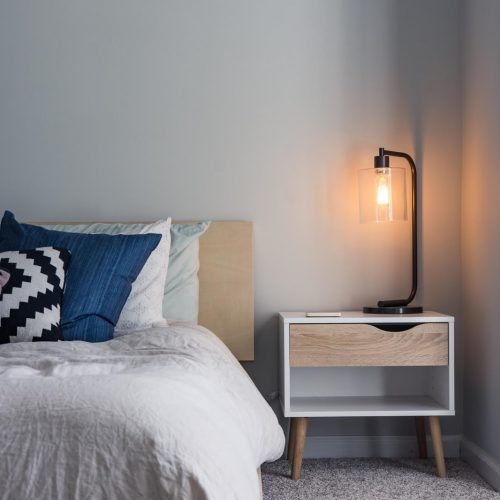
Like colours, lighting also plays a critical role in how a room feels. On average, Brits redecorate once every 3 to 5 years, and you can elevate your home design with a well-thought-out lighting scheme. Today, this is easier than ever. Smart lighting products such as the Philips Hue range allow you to create profiles for whatever mood you are in, including setting colours and brightness levels. Of course, nothing beats a strategically placed series of lamps and candles!
Strategically Place Furniture
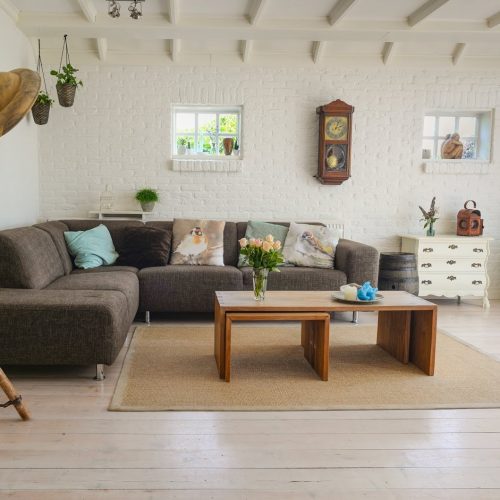
Every room has furniture of some kind, as rooms serve a function, after all. But do you ever really think about how furniture affects the warmth in a room? Softer furnishings with natural materials are more likely to absorb and add to the heat in a space. Whereas plastic, for example, is cold and uninviting. Of course, placement is also important. Bulky items such as shelving units and sofas will block the free flow of heating through a room, so consider this, too.
Add Some Natural Textures
Natural materials, as mentioned, are excellent insulators. As such, you can use them to greater effect in ways other than for furniture. Natural textures for other items, such as curtains, wall hangings and even scatter cushions, will help retain more warmth in a room. If the floor is also hardwood, natural rugs will add to the effect. With natural textures and materials, a room will not only look and feel inviting and warm, but it will actually retain more heat from your heat source.
Summary
Placing the heat source in a way that allows for the free flow of warm air will help you design a room that feels much more inviting and retains warmth. Lighting also helps increase the feeling of warmth in a space, and natural textures act as excellent insulators to help keep the heat in.

Leave a Reply