Making good coffee at home is easier than ever, but the best method depends on what you actually enjoy drinking. Some people want a strong espresso first thing in the morning. Others prefer a slower cafetière or pour-over, while plenty of households simply want something quick and consistent before work.
The useful thing is that there is no single correct way for a coffee head to make a good cup. Different methods bring out different flavours, textures and levels of strength.
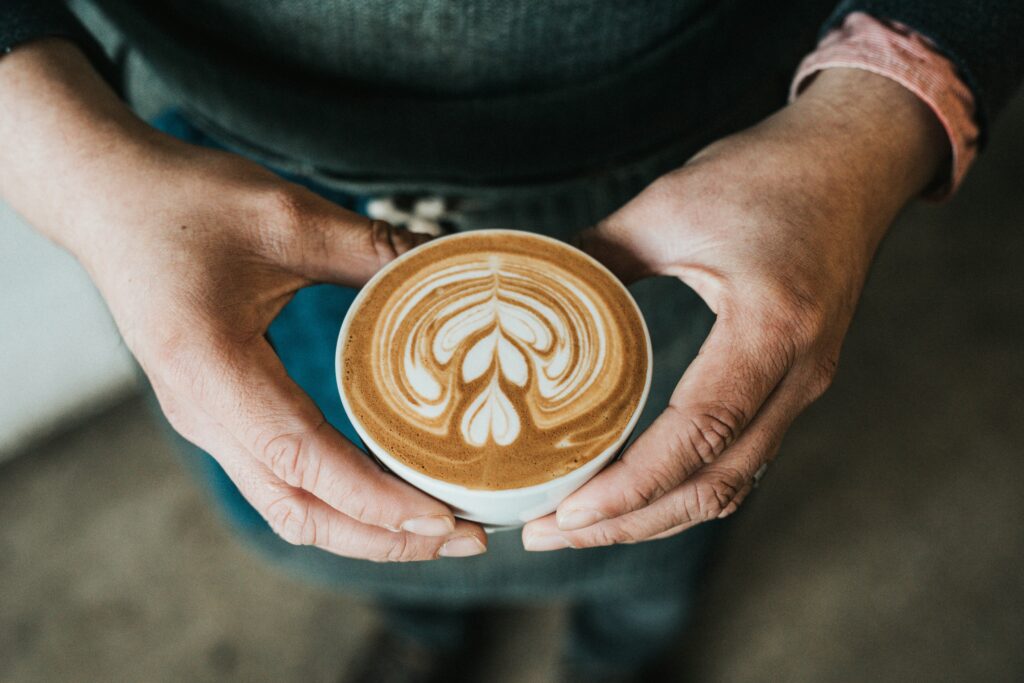
Espresso machines
For people who regularly order flat whites, cappuccinos or americanos, an espresso machine is the most obvious route. These coffee machines force hot water through finely ground coffee at pressure, producing a small, concentrated shot. Quality depends on the freshness of the beans, grind size, dose and water temperature.
Some machines are fully automatic, while others give you much more control over each stage. If you enjoy experimenting, a manual or semi-automatic machine can become a hobby in its own right.
Most also have some sort of tool, such as a milk wand, to create steamed milk for café-style drinks at home.
Cafetières
A cafetière, or French press, is one of the simplest ways to make consistently good coffee. Coarsely ground coffee is mixed directly with hot water and left to brew before the plunger separates the grounds from the drink. No paper filter removes the natural oils, meaning cafetière coffee often has a fuller body and heavier mouthfeel.
The main thing to watch is brewing time. Leaving the coffee for too long can make it taste harsh, while plunging too quickly may produce a weaker cup.
Pour-over coffee
Pour-over brewing gives you much more control over the extraction. Ground coffee sits inside a paper or reusable filter, and hot water is slowly poured over it by hand. The water passes through the grounds and drips into a jug or cup below.
This method tends to produce a cleaner, lighter cup than a cafetière and can highlight more delicate flavours in the beans. Using the same amount of coffee, water and brewing time each morning makes it much easier to work out what tastes best to you.
Pod machines
Pod machines are built around convenience. You insert a capsule, press a button and the machine delivers a measured drink with very little preparation or cleaning. They are useful for households where different people want different styles of coffee or where speed matters more than experimenting with grind settings and brewing ratios.
The downside is that they give you less control over the coffee itself, and the ongoing cost per cup can be higher than buying beans or ground coffee.
Do not overlook the grinder
Whatever brewing method you use, grind size matters. Espresso needs a fine grind, while cafetières work better with much coarser coffee. Pour-over methods tend to sit somewhere in between.
Grinding beans shortly before brewing can also help preserve flavour and aroma. If you are upgrading your home setup, a good grinder can make just as much difference as the coffee machine itself.
Use better water and fresher coffee
Even expensive equipment cannot rescue poor ingredients. Fresh beans, stored properly away from heat and moisture, will normally produce a better result than coffee that has been sitting open for months.
Water matters too, because it makes up most of the finished drink. Very hard or heavily chlorinated water can affect flavour, so filtered water may improve the result depending on where you live.
Find the method that suits your routine
- A manual espresso machine is brilliant if you like the process.
- A cafetière is ideal if you want something simple.
- Pour-over suits people who enjoy precision
- Pod machines prioritise speed and consistency.
Once you find the method that fits your mornings, small improvements in beans, grind size and brewing time can make home coffee taste noticeably better.



Leave a Reply