Contributed post
You don’t have to curate a specific media room to enjoy a great movie-going experience at home, but if you have a little money to spend, it can be nice to outfit this space to a higher standard. What that looks like is up to you. Many people just throw their money into the biggest possible screen they can afford with all the latest features like Mini-LED displays and the best media storage system.
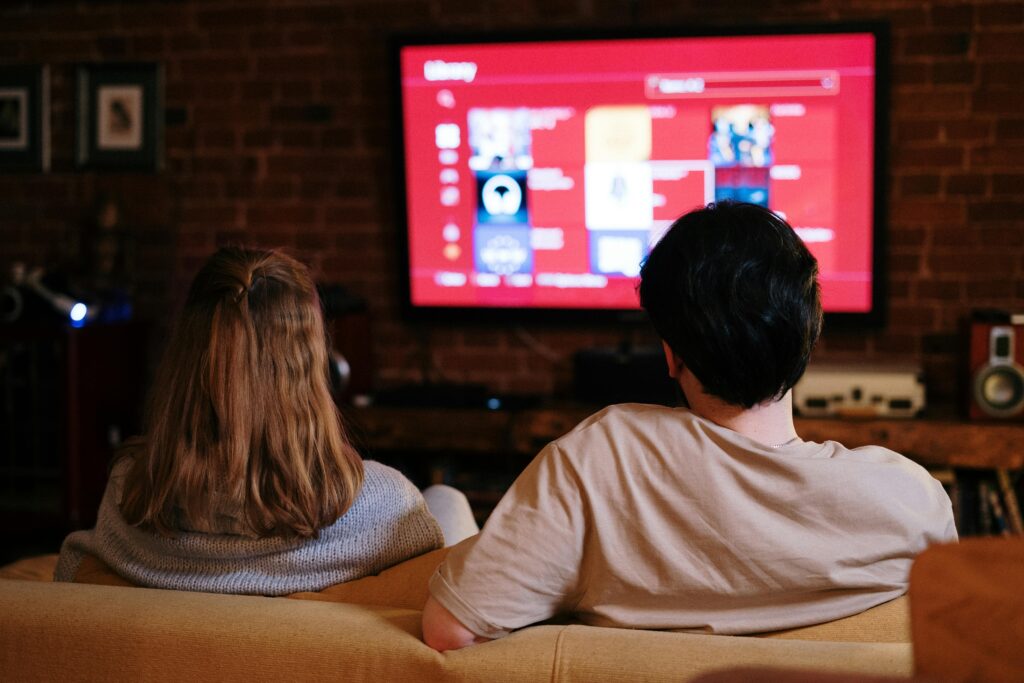
But of course, as any homeowner knows, invested money doesn’t always lead to a desired outcome. It’s very easy to make mistakes and tech companies or interior design firms are all too happy to take your money without really delivering on your aims. For this reason, understanding the most common mistakes homeowners fall into when developing their own home theatre system can be nothing if not instructive.
So, let’s be instructive! We hope the following advice helps:
Lacking Seating
If you’re squeezing in chairs that don’t support longer viewing sessions or prioritizing style that just doesn’t work here (like antique benches), it’s time to rethink your approach a touch. We’d recommend considering cinema sofas that tend to be more comfortable and also have room for drinks holders and recliner functions if needed. Be sure to arrange them so everyone has a good view of the screen, and if space allows, tiered seating can add a nice touch too. This might be better off in unique spaces with two floor heights like basements that have been converted for this purpose.
Sound Direction & Travel
A good pair of speakers (or a surround sound system) is a nice investment, but they have to be placed correctly. Speakers should ideally be positioned at ear level when seated, with subwoofers placed thoughtfully to avoid too much bass overpowering everything else, especially against harder room materials. You can also think about soundproofing where needed, as keeping the noise in and outside distractions out makes the experience more immersive for you and considerate for others.
Natural Light & Artificial Light Management
Natural light spilling in from windows can wash out the picture, and harsh artificial lighting can cause glare. This is why it’s worth thinking about the light you’re using and how it can be dimmed during those viewing experiences. Some use LED strips to provide a gentle glow behind some of the functional equipment so you can still see and enjoy the ambience but without any glare on the screen at all.
Television Calibration
Even the best TV won’t look its best if it’s not properly calibrated. Default settings out of the box often emphasize the brightness and colour saturation, which can be harsh on the eyes and make scenes look washed out. You can have your TV professionally calibrated as each unit is different, but following a general guide online can be okay. Just turn off motion smoothing as soon as you can.
With this advice, we hope you can nail that home theatre or media space setup, without making any mistakes.


Leave a Reply